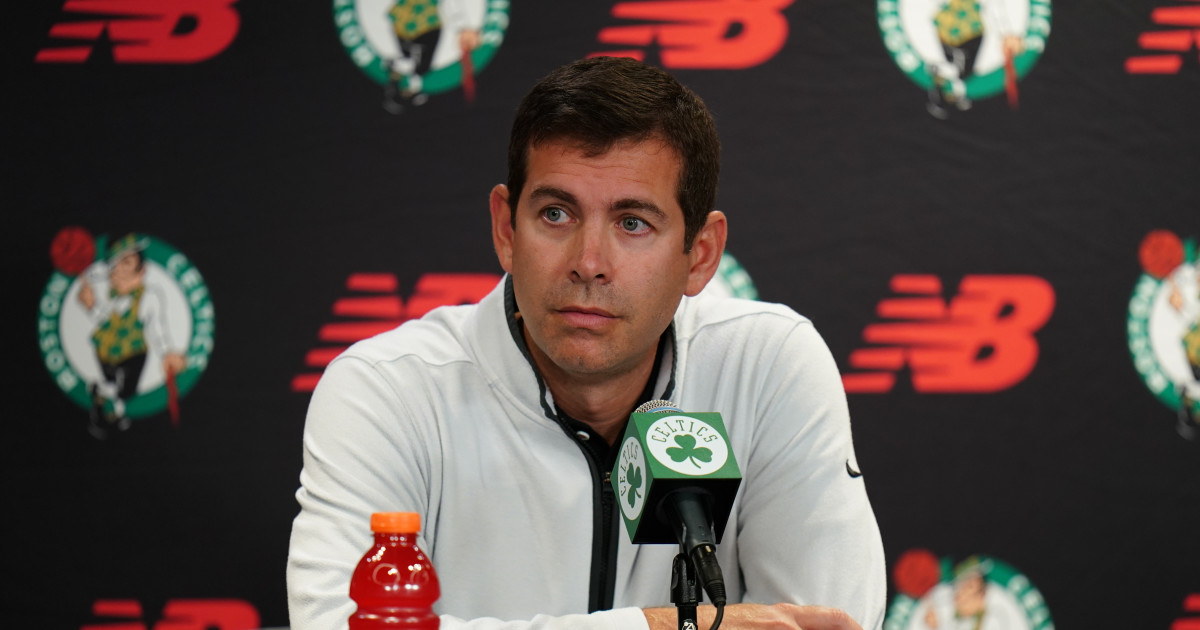
The Boston Celtics reshaped their offseason to trim the luxury tax while preserving a competitive core. A string of moves unfolded: Jrue Holiday swapped for Anfernee Simons, Kristaps Porzingis traded for Georges Niang, then Niang flipped for RJ Luis Jr. with the aim of staying under the NBA’s tax aprons. The Hauser-to-Lakers chatter adds a sharp edge to the payroll calculus, as Boston weighs third-team routes to avoid extra tax and keep a flexible bench. In short, Boston is balancing asset retention, tax strategy, and playoff-readiness as 2025-26 approaches.
Fan chatter focused on Hauser’s value as a trade chip given a $45 million extension, the difficulty of moving him without salary relief, and the Lakers’ interest as a rival with title flames. Even with Holiday, Porzingis, and Niang off the books, the Celtics’ tax status remains delicate, prompting a multi-step approach that could hinge on third-team maneuvering and cap gymnastics. The underlying narrative: Boston is willing to push the envelope on trades to avoid repeater tax and maintain a flexible, money-savvy path toward another deep run.